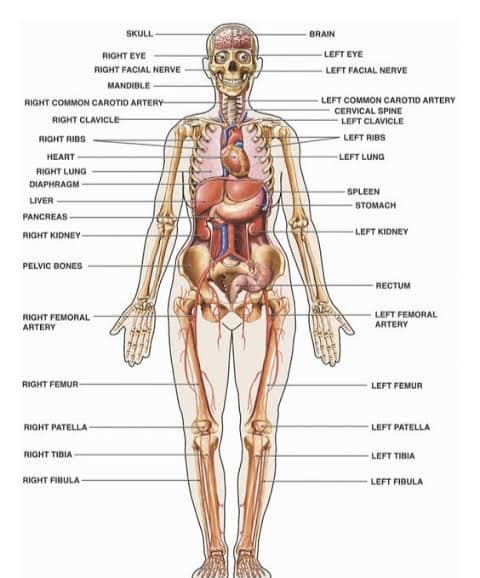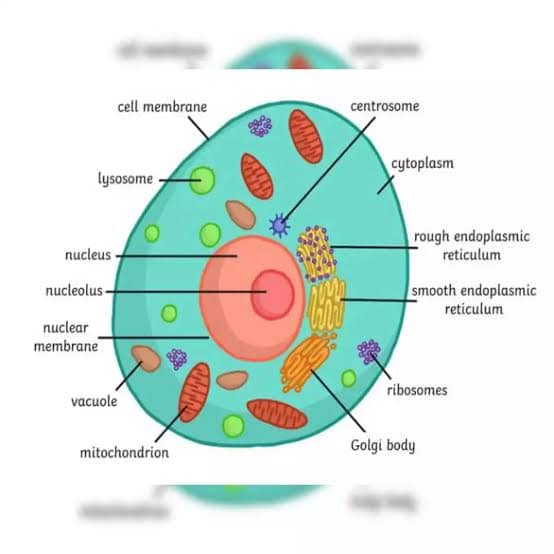
Human physiology is the study of how the human body functions, including the mechanical, physical, and biochemical processes that keep us alive. It covers various systems, such as:
1. Nervous System – Controls body activities through electrical and chemical signals.
2. Cardiovascular System – Includes the heart and blood vessels, responsible for circulation.
3. Respiratory System – Handles oxygen intake and carbon dioxide removal.
4. Digestive System – Breaks down food for nutrient absorption.
5. Endocrine System – Regulates body functions through hormones.
6. Musculoskeletal System – Supports movement and structure.
7. Renal System – Maintains fluid and electrolyte balance.
8. Reproductive System – Ensures survival of the species.
மனித உடலியல் (Human Physiology) என்பது மனித உடல் எப்படி செயல்படுகிறது என்பதைக் கூறும் விஞ்ஞானக் களம். இது உடலின் இயந்திர, உயிர்வேதியியல் (biochemical) மற்றும் இயற்கைச் செயல்களைப் பற்றியது.
முக்கியமான உடல் அமைப்புகள்:
1. நரம்பியல் அமைப்பு (Nervous System) – உடல் செயல்களை கட்டுப்படுத்தும் மின்சார மற்றும் வேதியியல் தகவல் பரிமாற்ற அமைப்பு.
2. இதய இரத்த ஓட்ட அமைப்பு (Cardiovascular System) – இதயம், இரத்த நாளங்கள், மற்றும் இரத்த ஓட்டம்.
3. சுவாச அமைப்பு (Respiratory System) – ஆக்ஸிஜன் (Oxygen) எடுத்துக் கொள்ளுதல், கார்பன் டையாக்ஸைடு (CO₂) வெளியேற்றுதல்.
4. செரிமான அமைப்பு (Digestive System) – உணவை உடைத்து ஊட்டச்சத்துக்களை உறிஞ்சுதல்.
5. எண்டோக்கிரைன் அமைப்பு (Endocrine System) – ஹார்மோன்கள் மூலம் உடலைச் சீராகக் கட்டுப்படுத்துதல்.
6. மூட்டுநாள் மற்றும் எலும்பியல் அமைப்பு (Musculoskeletal System) – உடலை நிலைப்படுத்துதல் மற்றும் இயக்கம்.
7. சிறுநீரக அமைப்பு (Renal System) – நீர்ச்சி மற்றும் மின்னணு சமநிலையை பராமரித்தல்.
8. மொப்பியல் அமைப்பு (Reproductive System) – இனப்பெருக்கம் மற்றும் பிறப்புறுதல்.