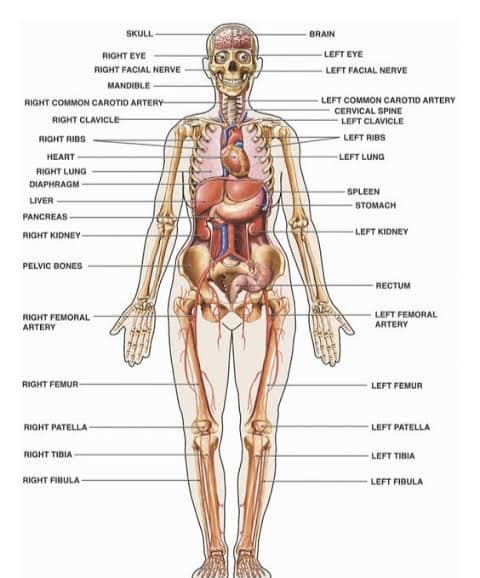
Human anatomy is the study of the structure of the human body, including its organs, tissues, and systems. It examines how different body parts are organized, how they function together, and their relationships with each other.
Anatomy is broadly divided into:
1. Gross Anatomy – The study of body structures visible to the naked eye (e.g., bones, muscles, organs).
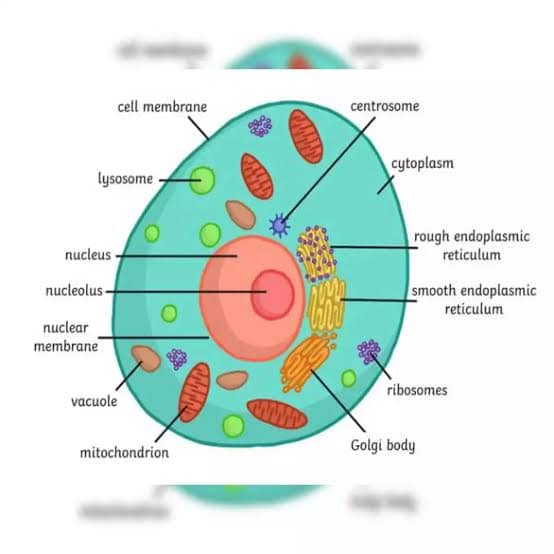
2. Microscopic Anatomy (Histology) – The study of tissues and cells using a microscope.
3. Developmental Anatomy (Embryology) – The study of how the body develops from conception to adulthood.
மனித உடலியலானது, மனித உடலின் அமைப்பை, அதன் உறுப்புகள், திசுக்கள் மற்றும் அமைப்புகளைப் பற்றிய ஆய்வாகும். இது உடல் உறுப்புகள் எவ்வாறு கட்டமைக்கப்பட்டுள்ளன, அவை எவ்வாறு செயல்படுகின்றன, மற்றும் ஒருவருடன் ஒருவர் எவ்வாறு தொடர்புடையவை என்பதைக் குறிக்கும்.
முக்கிய பிரிவுகள்:
1. மேலோட்ட உடலியல் (Gross Anatomy) – கண்களுக்கு தெரியக்கூடிய உடல் உறுப்புகள் (எ.கா. எலும்புகள், தசைகள், உடல் உறுப்புகள்).
2. நுண்ணிய உடலியல் (Microscopic Anatomy / Histology) – நுண்ணூா்வியக் கருவியால் மட்டுமே காணக்கூடிய திசுக்கள், அணுக்கள்.
3. வளர்ச்சியியல் (Developmental Anatomy / Embryology) – கருவில் இருந்து வளர்ந்துவரும் நிலையிலிருந்து முதிர்ந்த நிலை வரை மனித உடல் எப்படி உருவாகிறது என்பதைக் காண்பது.
இது உடலியலுடன் (Physiology) நெருங்கிய தொடர்புடையது, ஏனெனில் உடல் எவ்வாறு செயல்படுகிறது என்பதைக் கூறுவது உடலியலாகும். மருத்துவம், ஆரோக்கிய பராமரிப்பு, விளையாட்டு அறிவியல் மற்றும் பல உயிரியல் துறைகளில் மனித உடலியல் முக்கியமான பங்கு வகிக்கிறது.
It is closely related to physiology, which focuses on how the body functions. Understanding human anatomy is essential for medicine, healthcare, sports science, and various biological sciences.